
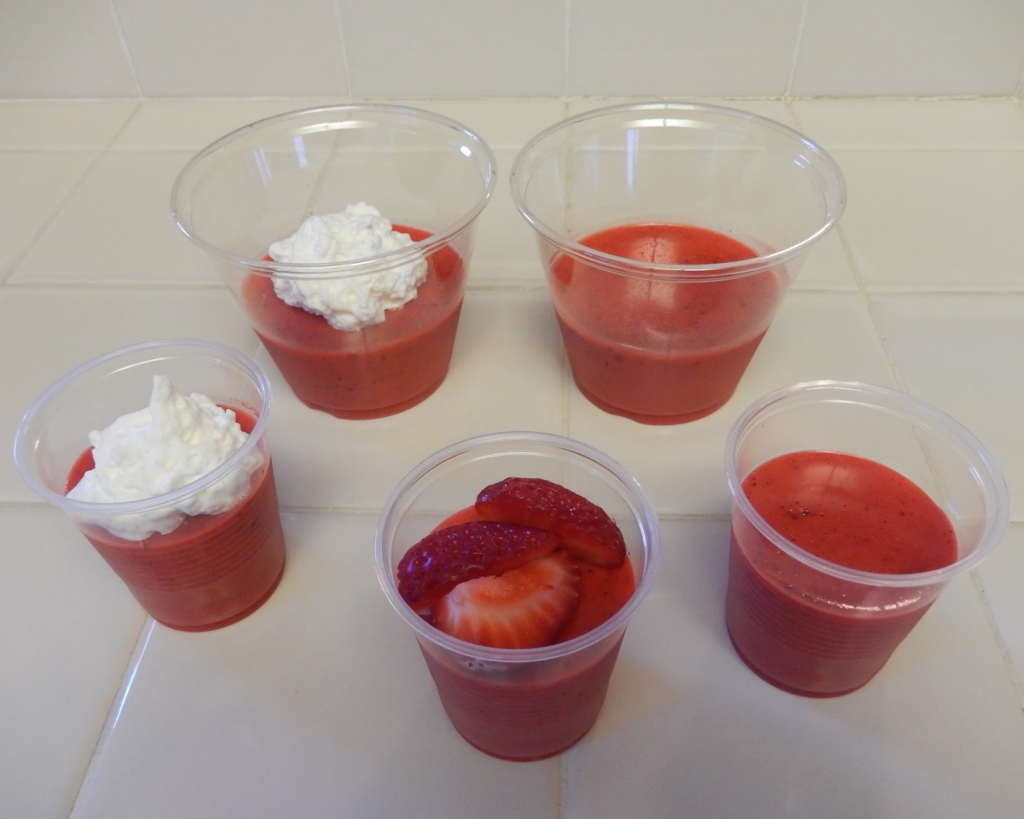
Bariatric gelatin can be a light, portion-controlled snack. Plain gelatin, however, should not replace a complete protein source. This recipe includes a low-sugar protein shake. Each serving provides more protein than standard sugar-free gelatin.
It may support weight control when it replaces a higher-calorie dessert. It does not burn fat or cause weight loss on its own.
Quick answer: A protein-first bariatric gelatin recipe combines unflavored gelatin, water, and a low-sugar protein shake. It makes a soft snack with about 10 grams of protein per serving, depending on the products used.
Before You Make This Recipe
Bariatric diet plans differ. Your surgeon or dietitian may use different food stages, serving sizes, and protein goals.
This recipe is not a clear liquid because it contains a protein shake. It may suit a full-liquid or later stage if your care team approves it.
Many patients try to eat **60 to 100 grams of protein** each day.
This is according to the **American Society for Metabolic and Bariatric Surgery**. Your target may differ. Patients also tend to move from liquids to solid foods in stages after surgery.
Ask your care team before trying this recipe if you:
- Recently had bariatric surgery
- Cannot keep liquids down
- Have kidney disease or diabetes
- Have pain, vomiting, or trouble swallowing
- Do not tolerate dairy or sweeteners
Protein Bariatric Gelatin Recipe
Recipe Details
DetailAmountPrep time10 minutesChill time3 to 4 hoursYield4 servingsServing sizeAbout ½ cupTextureSoft and creamyBest useSnack or light dessert
Ingredients
- 2 packets unflavored gelatin, about 14 grams total
- ½ cup cold water
- ½ cup very hot water
- 1 ready-to-drink protein shake, about 11 fluid ounces
- ½ teaspoon vanilla extract, optional
- Sugar-free flavoring, optional
Choose a shake made with a complete protein, such as whey, milk, or soy protein.
Check the label for protein, sugar, calories, and serving size. Use a product that fits the nutrition plan given by your bariatric team.
How to Make Protein Bariatric Gelatin
1. Bloom the Gelatin
Pour the cold water into a medium bowl.
Sprinkle the gelatin evenly over the surface. Let it sit for five minutes.
The gelatin will absorb the water and become thick. This step helps it dissolve without forming lumps.
2. Add Hot Water
Pour the hot water over the bloomed gelatin.
Whisk gently until the mixture looks clear and smooth. Make sure no dry pieces remain.
Do not boil the gelatin. Extremely high heat may weaken its ability to set.
3. Let It Cool Briefly
Let the mixture rest for three to five minutes.
It should stay warm, but it should not feel scorching. This short rest helps prevent the protein shake from separating.
4. Add the Protein Shake
Slowly pour the room-temperature protein shake into the bowl.
Whisk gently until the color and texture look even. Add vanilla or another approved flavor if desired.
Avoid using an ice-cold shake. A large change in temperature can create an uneven texture.
5. Divide and Chill
Pour the mixture into four small containers.
Cover the containers and place them in the refrigerator for three to four hours, or until the gelatin sets.
Use smaller containers if your diet plan limits food volume.
Nutrition Per Serving
The final nutrition depends on the brands you use.
For example, if the full batch contains 210 calories and 42 grams of protein, one of four servings would provide about:
- 53 calories
- 10.5 grams of total protein
- Sugar based on the protein shake
Read both product labels before calculating the final values.
Part of the protein comes from the shake. The rest comes from gelatin. This difference matters because gelatin is not a complete protein.
Why Plain Gelatin Is Not Enough
Gelatin comes from collagen. It contains amino acids, but it does not provide all essential amino acids in a balanced amount.
In particular, collagen protein lacks tryptophan. Researchers therefore describe it as an incomplete protein source.
Complete proteins provide all nine essential amino acids. Common sources include:
- Whey protein
- Milk protein
- Eggs
- Soy protein
- Some blended plant proteins
This does not make gelatin a bad food. It simply gives gelatin a different role.
In this recipe, gelatin creates the soft texture. The protein shake provides most of the complete protein.
Internal link: Link to your guide on Gelatin vs. Collagen vs. Whey Protein.
Can Bariatric Gelatin Help With Weight Loss?
Bariatric gelatin does not burn fat or target belly fat.
Its possible value comes from how you use it as part of your wider eating plan.
It May Replace a Richer Dessert
A small gelatin cup may contain fewer calories than cake, ice cream, or pudding.
Making this swap can lower your calorie intake when the rest of your diet remains balanced. The recipe works best as a planned replacement, not as an extra snack added after a full dessert.
It Supports Portion Control
You divide the recipe into small cups before chilling it.
Each snack has a clear serving size. This may reduce unplanned eating and make it easier to track your food intake.
Protein May Support Fullness
Protein often helps people feel full for longer. However, no single food controls hunger for everyone.
Sleep, stress, hydration, meal timing, and total food intake also affect hunger.
The most accurate claim is simple: this recipe may support weight loss. It can help when it replaces a higher-calorie snack. It should also fit your medical diet.
Is It Safe After Gastric Sleeve or Bypass?
This recipe may suit some people after gastric sleeve or gastric bypass. The correct timing depends on your diet stage and personal tolerance.
After Gastric Sleeve
The recipe may fit your plan when:
- Your team allows full liquids or soft gel foods
- You tolerate the chosen protein shake
- The serving size feels comfortable
- You do not develop nausea, reflux, or pain
Start with a small serving. Stop eating when you feel comfortable.
After Gastric Bypass
Choose a protein shake with little added sugar.
A high-sugar food or drink may cause dumping symptoms in some people after gastric bypass. Symptoms can include nausea, stomach pain, diarrhea, sweating, dizziness, and a fast heartbeat.
Contact your care team if symptoms become severe or continue to return.
Which Bariatric Diet Stage Fits This Recipe?
Diet stageDoes it usually fit?Clear liquidsNoFull liquidsMaybe, with approvalPuréed foodsMaybeSoft foodsMore likelyLong-term dietOften suitable as a snack
Your written surgery plan comes first.
Do not use a general online chart to replace advice from your surgeon or bariatric dietitian. Programs may use different timelines and food rules.
Internal link: Link to Bariatric Diet Stages After Surgery.
Gelatin vs. Collagen vs. Whey
ProductForms a gel?Complete protein?Main useGelatinYesNoCreates textureCollagen peptidesUsually noNoMixes into drinksWhey proteinNoYesAdds complete protein
Collagen peptides usually dissolve without forming a firm gel. Replacing gelatin with collagen may leave you with a drink instead of a set dessert.
Whey adds complete protein, but it cannot create the gel texture on its own.
For this recipe, gelatin and whey work better together than either ingredient does alone.
How to Choose a Protein Shake
Read the nutrition label rather than relying on the claims printed on the front.
Check the Protein Source
Choose a complete protein that suits your diet.
Whey isolate, milk protein, and soy protein are common options. Some plant blends may also provide all essential amino acids.
Check the Sugar
Choose a shake that fits the sugar limit set by your care team.
Terms such as “healthy” and “natural” do not always mean that a product contains little sugar.
Check the Serving Size
A smaller drink may feel easier to manage after surgery.
However, it still needs to provide enough protein for the full recipe. Compare the protein amount with the total drink volume.
Consider Your Tolerance
Some people react to:
- Lactose
- Sugar alcohols
- Added fiber
- Artificial sweeteners
- Certain flavorings
Use a product you already tolerate when possible.
Internal link: Link to How to Choose a Bariatric Protein Shake.
Three Easy Flavor Options
Vanilla Cream
Use a vanilla protein shake and add ½ teaspoon of vanilla extract.
Chocolate
Use a chocolate protein shake. Add one teaspoon of unsweetened cocoa if your diet plan allows it.
Berry
Use a vanilla or berry protein shake with a small amount of sugar-free berry flavoring.
Do not add fruit pieces unless your current diet stage allows them.
Common Recipe Problems
The Gelatin Has Lumps
Sprinkle the gelatin over cold water and allow it to bloom before adding hot water.
Do not pour the powder into one large pile.
The Mixture Separated
The gelatin may have been too hot, or the protein shake may have been too cold.
Let both ingredients move closer to the same temperature before mixing them.
The Gelatin Did Not Set
You may have used too much liquid.
Measure each ingredient and use two full gelatin packets.
The Texture Feels Too Firm
Use slightly less gelatin the next time you make the recipe.
Do not add extra water after the mixture has already set.
The Recipe Tastes Too Sweet
Choose an unflavored or less sweet protein shake.
Skip the extra flavor drops or use a smaller amount.
How Much and When to Eat
Use this recipe as a snack or light dessert. Do not use it as your main source of food or protein.
Start with a small serving. Eat slowly and stop when you feel comfortable.
You might use it:
- Between planned meals
- In place of a sweet dessert
- As a planned evening snack
- When approved foods begin to feel repetitive
Do not let gelatin replace water, vitamins, minerals, prescribed protein drinks, or balanced meals.
How to Store Protein Gelatin
Keep the cups covered in the refrigerator.
Eat them within three days for the best texture and freshness.
Discard the gelatin if it develops:
- An unusual smell
- A major color change
- Excess liquid on the surface
- Signs of mold
Do not leave a dairy-based version at room temperature for long periods.
Frequently Asked Questions
What Is the Bariatric Gelatin Trick?
The bariatric gelatin trick is a low-sugar gelatin snack used for portion control or as a dessert replacement. It does not melt fat or replace a full bariatric diet.
Does Gelatin Count as Protein?
Gelatin contains protein, but it is incomplete protein. Adding a complete protein shake makes the recipe more useful for protein-first eating.
Can I Use Protein Powder?
Yes. Mix the powder with cool liquid first. Then add it to the warm gelatin mixture.
Do not add dry protein powder directly to boiling water.
Can I Use Collagen Instead of Gelatin?
No. Collagen peptides usually do not form a firm gel. They are also not a complete protein source.
Can I Eat This During the Clear-Liquid Stage?
Usually not.
This recipe contains an opaque protein shake. Follow the clear-liquid list provided by your surgery team.
Can This Replace a Protein Shake?
One serving contains only part of the original protein shake.
Do not use one gelatin cup to replace a prescribed protein drink unless your dietitian approves the change.
How Often Can I Eat It?
That depends on your diet stage, protein goal, and total food intake.
Treat it as an optional snack rather than a required part of your daily plan.